
Bone density loss doesn’t announce itself. There’s no soreness, no stiffness, no obvious signal the way a sore knee or a tight shoulder gives you. Most people find out their bones have thinned only after a DEXA scan flags osteopenia or osteoporosis — or worse, after a fracture from a fall that, ten years earlier, would have been nothing. That silence is exactly why this deserves more attention than it gets, and exactly why the “just getting old” framing does real damage: it tells you there’s nothing to do, when there’s actually a lot to do.
What’s actually happening in your skeleton
Bone isn’t inert scaffolding. It’s living tissue undergoing constant turnover — cells called osteoclasts break old bone down, and cells called osteoblasts build new bone back up. Through your 20s and 30s, that process runs roughly in balance. Starting around your late 30s and accelerating through your 50s, the balance tips: breakdown starts outpacing rebuilding, and bone density declines.
For women, menopause turns this into a steep drop rather than a gradual slope. Estrogen plays a direct role in restraining osteoclast activity, and when estrogen production falls, that brake loosens. Research on postmenopausal bone loss consistently shows women can lose 1-2% of bone density per year for the first five to seven years after menopause — meaning a woman can lose 10% or more of her peak bone mass in less than a decade if nothing counteracts it. Men experience a more gradual decline starting a bit later, but the trajectory still bends downward without intervention.
Why this matters more than most people assume
The stakes here aren’t cosmetic — they’re about independence. According to the National Osteoporosis Foundation, roughly one in two women and up to one in four men over 50 will break a bone due to osteoporosis. A hip fracture in particular is a serious inflection point: research published in geriatric medicine journals has repeatedly found that a substantial share of people who fracture a hip after 50 never fully regain their prior level of independence, and mortality risk in the year following a hip fracture is markedly elevated compared to peers who don’t fracture.
This is the part that gets skipped in the “just aging” conversation: fracture risk isn’t only about bad luck on an icy sidewalk. It’s about whether your skeleton had the density reserve to absorb an ordinary stumble without breaking. That reserve is something you build or fail to build well before the fall happens.
The fix: treat bone like the trainable tissue it is
Here’s the principle that changes everything, and it’s the same one that governs muscle: bone responds to mechanical stress. This is called mechanotransduction — when bone is loaded beyond what it’s used to, it triggers a cellular response that increases bone formation at exactly the sites under stress. Unload it — through inactivity, bed rest, or a sedentary decade — and the opposite happens. Your skeleton is, quite literally, built by what you ask it to carry.
What actually builds bone density, in order of impact:
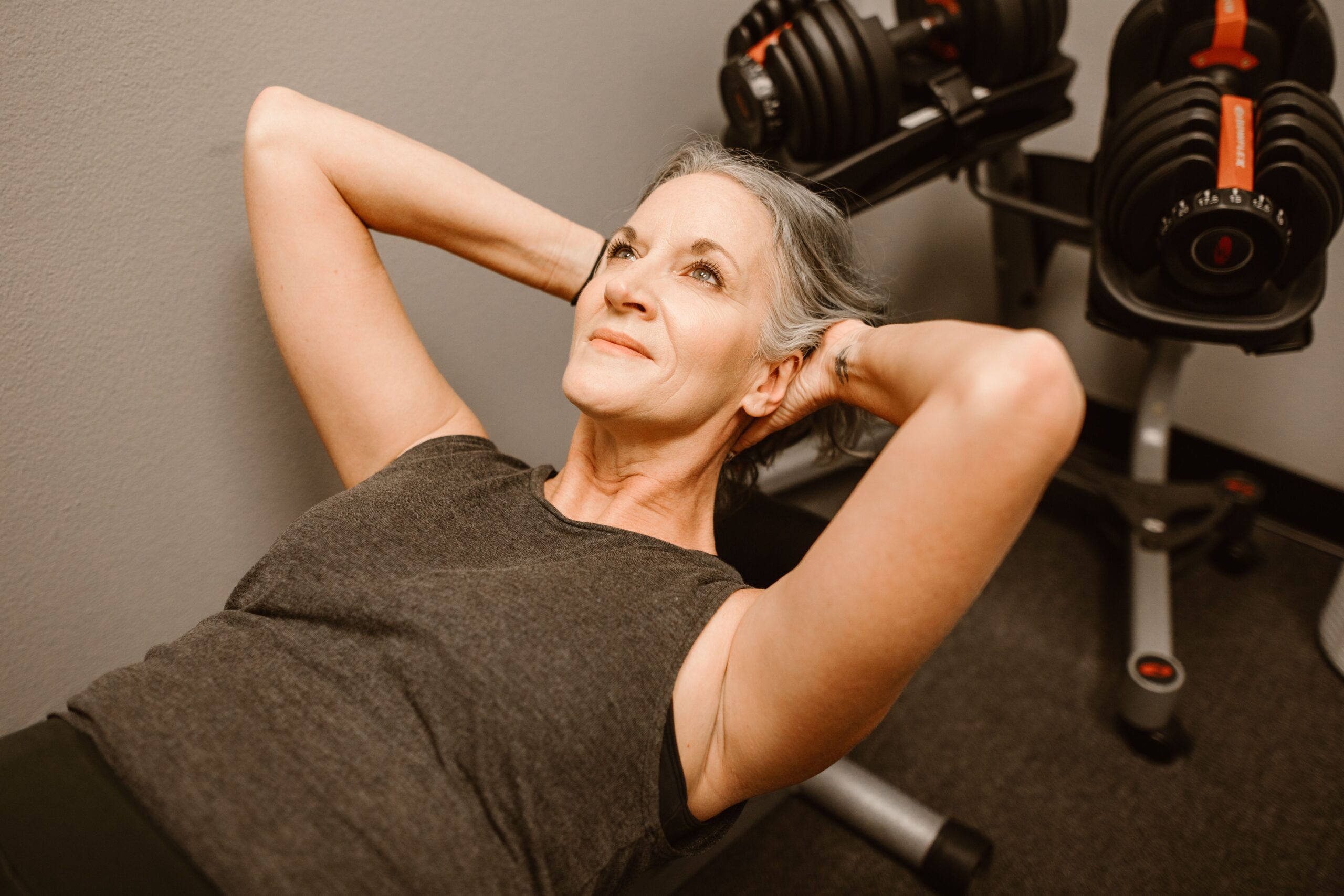
- Resistance training. Lifting weights — real, progressively loaded weights, not just light toning work — is one of the most consistently supported interventions for maintaining and even increasing bone mineral density in older adults. A 2018 meta-analysis in the Journal of Bone and Mineral Research found that high-intensity resistance and impact training produced significant improvements in bone density at the spine and hip in postmenopausal women, without the elevated fracture risk critics initially worried about. The same squat, hinge, row, and push movements that build muscle are doing double duty on your skeleton.
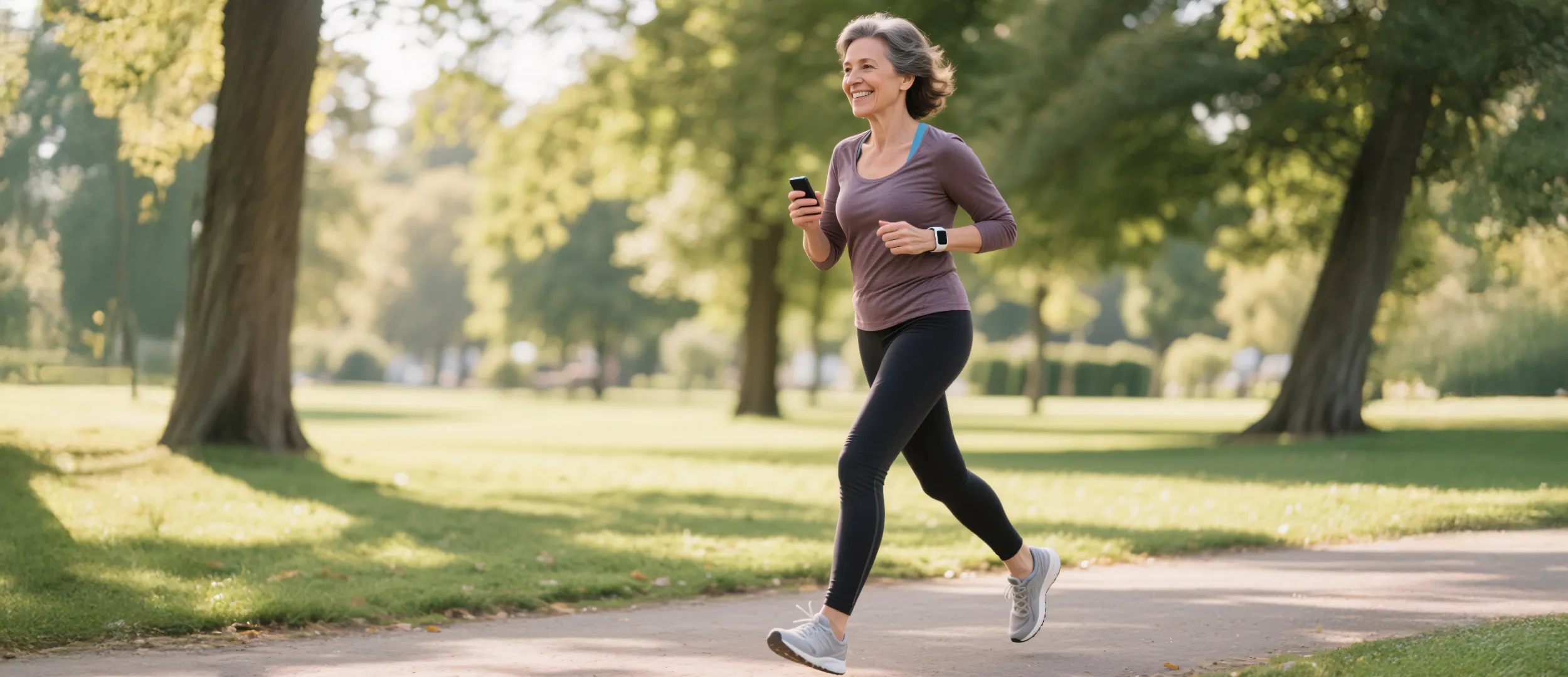
- Weight-bearing impact activity. Activities where your body works against gravity while upright — brisk walking, hiking, stair climbing, dancing, jogging if your joints tolerate it — provide a bone-loading stimulus that swimming and cycling simply don’t. This doesn’t replace resistance training; it supplements it.
- Calcium and vitamin D — the raw materials, not the mechanism. Adults over 50 generally need around 1,200mg of calcium and 800-1,000 IU of vitamin D daily (check with your doctor on your specific numbers, especially if you’re on medication that affects absorption). These nutrients supply the building blocks bone needs to remodel — but without the mechanical signal from exercise telling your body to actually use them for that purpose, they’re just sitting in reserve. Load first, supplement second.
What to actually do this week
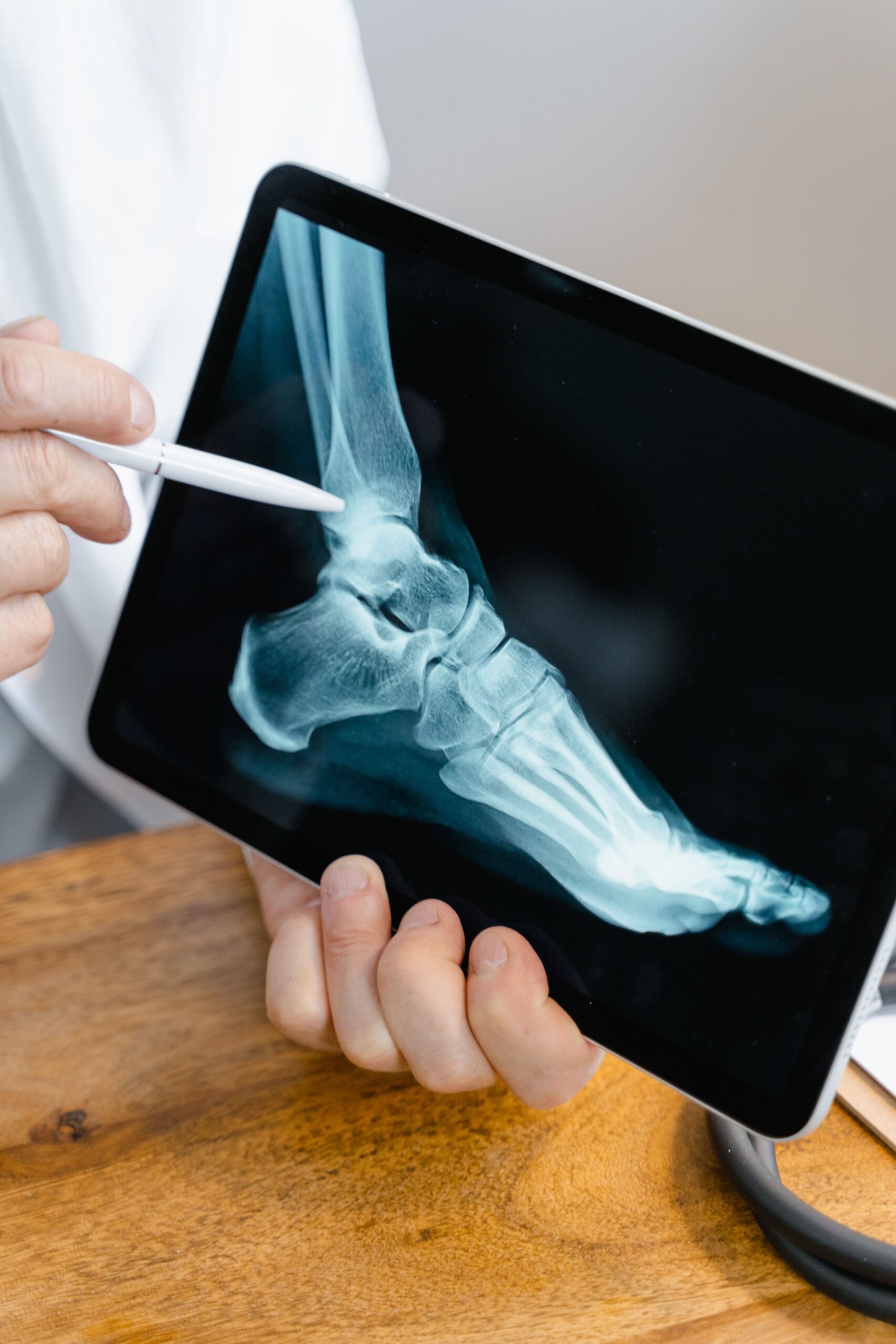
If you’ve never had a DEXA scan and you’re over 50 — or over 40 with risk factors like a family history of osteoporosis or early menopause — ask your doctor about getting one. It’s a simple, low-radiation scan that gives you an actual baseline instead of a guess.
Then, regardless of your number, start or keep up resistance training two to three times a week, prioritizing the same compound lifts that build muscle: squats, deadlifts or hip hinges, rows, and presses. Add in daily weight-bearing movement — a brisk 20-30 minute walk counts. Get your calcium and vitamin D intake checked rather than assumed.
Bone density isn’t a countdown clock you’re powerless against. It’s a use-it-or-lose-it tissue, the same as muscle, responding in real time to whether you’re asking it to do anything. Ask it to.