
Everyone wants the edge. Cold plunges. Red light therapy. Peptide stacks. The biohacking market is full of tools promising to optimize your recovery, sharpen your cognition, and slow down aging — and plenty of them have merit.
But here’s what the research keeps circling back to: if your sleep isn’t solid, none of it matters as much as you think.
In a recent Age Defiantly episode, I made a point that’s worth sitting with: sleep is linked to longevity more than any other single behavior. Not exercise. Not diet. Sleep.
That’s not a knock on the other stuff. It’s a reminder of what the foundation actually is.
What Your Body Is Actually Doing While You Sleep
Sleep isn’t rest. It’s work — just not the kind you can see.
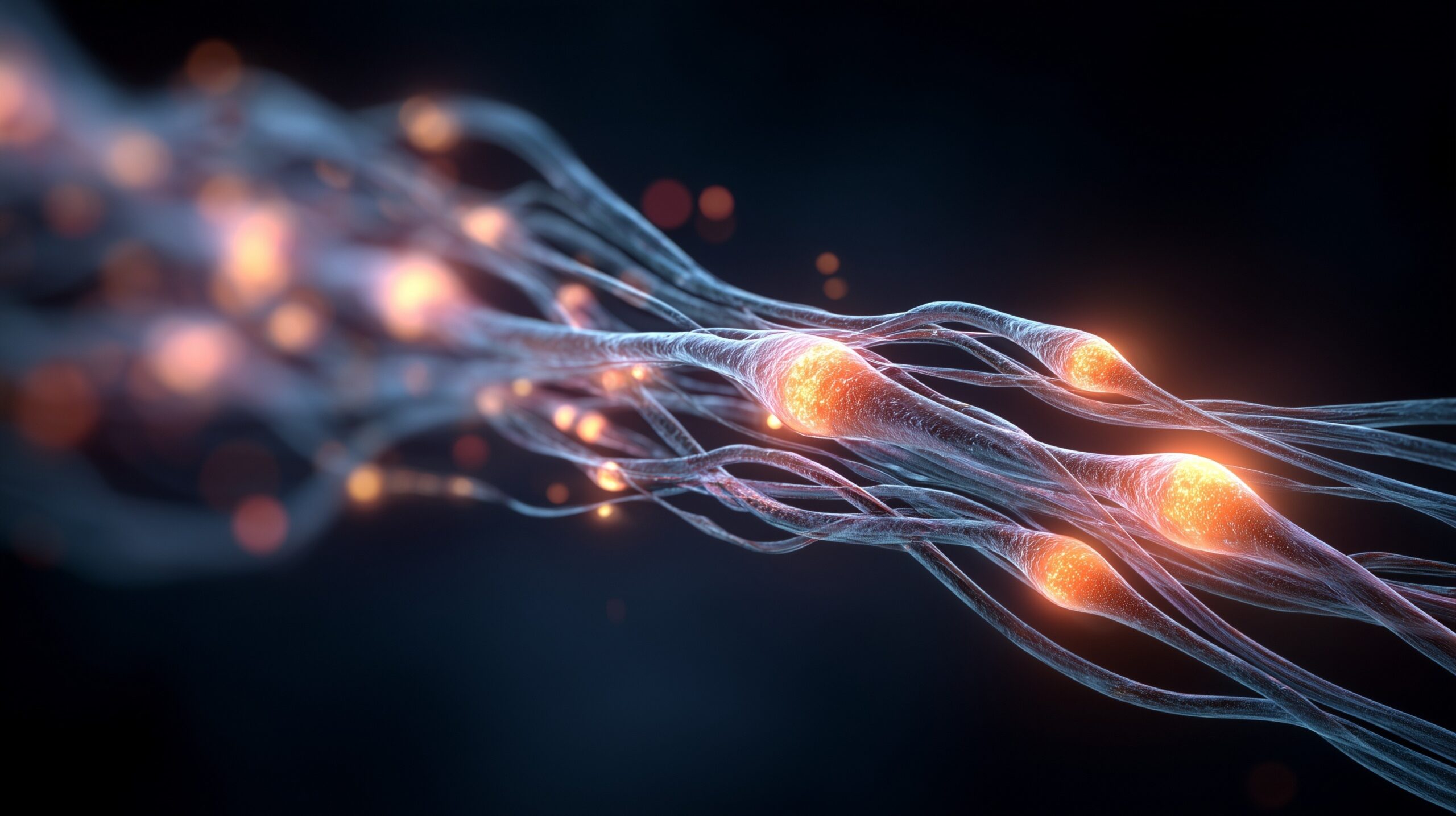
During deep sleep, your body goes into full repair mode. Muscle tissue rebuilds. Cellular waste gets cleared out, including the proteins associated with cognitive decline. Human growth hormone — the primary driver of physical recovery — is released almost entirely during this stage. You’re not recovering from your workout in the gym. You’re recovering from it here.
After deep sleep comes REM — rapid eye movement sleep. This is where your brain does its maintenance. Short-term memories get filed into long-term storage. Patterns get processed. Unresolved stress gets worked through. I describe it like a defrag on a hard drive: the system reorganizing everything so it runs clean.
You need both. And you need them consistently.
The Hours Look Fine. The Quality Doesn’t.
Here’s where most people get tripped up. They’re logging 7 hours and wondering why they still wake up foggy.
Duration and quality are not the same thing. Several common habits fragment sleep architecture — meaning you’re cycling through stages too lightly, missing the deep and REM windows your body needs, even when the clock says you slept enough.
The main offenders:
Falling asleep to the TV or phone.
Even after you lose consciousness, your brain stays partially activated by background noise and light. You’re logging hours, not recovery.
Alcohol before bed.
It’s sedating, which is why people confuse it with a sleep aid. But alcohol suppresses REM sleep and disrupts your cycle about four hours in — which is exactly why 2am and 3am wake-ups are so common for people who had a drink before bed. Once you’re awake at that hour, cortisol kicks in, your brain starts running through tomorrow’s agenda, and falling back asleep becomes its own obstacle.
Eating too close to bedtime.
Your digestive system needs to wind down before your body can move into deep sleep. My rule of thumb: finish eating at least four hours before bed. A full stomach and deep sleep don’t coexist well.
A chaotic sleep environment.
Your nervous system scans its environment even when you’re unconscious. Clutter, light, noise — these keep your sympathetic nervous system elevated. A calm, dark, cool bedroom isn’t just a preference. It’s a physiological signal.
Stop Fighting Your Body’s Own System
One of the most counterintuitive points I make in the episode is about melatonin supplements — and it’s worth paying attention to.
Your body produces melatonin naturally, triggered by darkness, roughly two hours before you typically fall asleep. It’s the signal that starts the wind-down process, regulates cortisol, and prepares your system for sleep. When you wake up without melatonin in your system, that’s the natural endpoint of the cycle — it’s supposed to work that way.
When you supplement with melatonin regularly, you’re introducing it from the outside. Over time, your body reads the exogenous supply as a reason to produce less of its own. You haven’t fixed the problem — you’ve created a dependency.
The better approach is to let your body do what it’s already designed to do: dim the lights earlier, cut the screens, stop stimulating your system two hours before bed. Let melatonin rise naturally.
If you want additional support, I recommend True Z’s by Nature City — a melatonin-free formula that works with your body’s natural process rather than replacing it.
The Protocol Worth Following
The highest-leverage changes here are free and require no equipment:
- Wind down 2–3 hours before bed. Dim the lights. Put the phone down. Let your system slow before you expect it to stop.
- Consistent wake time — even on weekends. Your circadian rhythm doesn’t know it’s Saturday. Irregular timing fragments the whole system.
- Cool, dark room. Around 65–68°F supports the core body temperature drop required for deep sleep.
- Last meal at least 4 hours before bed. Give digestion time to complete before recovery begins.
- Track it. Some use an Oura Ring. The data on deep sleep, REM, and sleep efficiency will show you patterns you can’t feel in real time.
The supplements, the cold plunges, the red light panels — they can all contribute. But they’re built on top of this. If the foundation isn’t there, you’re optimizing a cracked structure.